 DoorGuard
 How it works
 Plans and pricing
 Try it yourself
 Free Door Health Score
 Garage door guides
 Questions and answers
 Service areas
 Book a visit
 Property managers
 Agents and inspectors
What 25% off the labor looks like
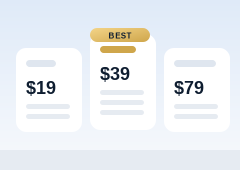
Example only, using $250 of labor. Your costs may differ. The membership does not pay for repairs; members pay 25% less on the labor. Plans from $19 a month.
See the plansIt's a frustrating one. You press the button, the door starts down, and then it stops and goes right back up. Sometimes it happens every time. Sometimes only in the afternoon, or only in winter.
The reversing itself is a safety feature. The opener thinks something is in the way. The job is to figure out why it thinks that. The best clue is where in the trip the door reverses.
If it reverses right away: check the sensors
When the door barely moves before going back up, or won't close at all, the photo eye sensors are the most likely cause. These are the two small units near the floor on either side of the door.
- Something in the beam. A trash bin, a bike tire, a leaf or even a spider web can block it.
- Dirty lenses. Wipe both gently with a soft cloth.
- Misalignment. If one got bumped, it may point slightly off. On many models, the indicator light blinks or goes dark when the sensors aren't lined up. Check your manual for what your lights mean.
- Sun glare. If the problem happens mostly at one time of day, strong direct sunlight may be hitting a sensor.
- Wiring. A loose or damaged wire between the sensors and the opener can cause on and off problems.
If it reverses near the floor: the travel limit or the seal
If the door makes it almost all the way down, touches the floor, then goes back up, the opener may think it hit an obstruction. That usually means its travel limit is set to go a bit farther than the floor allows, so the door meets the ground before the opener expects it.
Other things to look at: a bottom seal that's frozen to the ground, bunched up or damaged, ice or debris under the door, or a floor that has settled or has a lip. Travel limits are adjusted on the opener, and the right way to do it varies by model. If you're comfortable following your manual, it's usually a small change. After any change, run the auto-reverse test with a 2x4 laid flat (see how to test your garage door safety sensors).
If the door doesn't reverse, have it looked at. If you're not comfortable, have it done. The force setting is different. It is not a do-it-yourself change, so leave it to a professional.
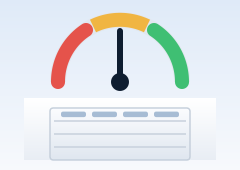
Not sure how your door is doing? Answer 7 quick questions and get a 0 to 100 score with an A to F grade in about 60 seconds. No email needed. Take the free checkup.
If it reverses partway down: binding or force
When the door reverses somewhere in the middle, the opener is usually feeling resistance. The door may be dragging in the track, catching on a bent section, or rolling on worn rollers. Cold weather can stiffen old lubricant and make this worse, which is why some doors act up only in winter.
A door that's out of balance, usually from worn springs, can also confuse the opener. That's a job for a professional. Our guide to spring warning signs explains what to watch for, and common garage door noises can help point to a worn part.
A quick way to sort it out
- Clear the area around the door and the sensors.
- Clean both sensor lenses and check the indicator lights.
- Close the door and watch where it reverses.
- If it still reverses, close the door, pull the manual release and lift the door by hand. It should move smoothly without catching. If it feels heavy, rough or sticks at a certain spot, have it inspected.
- Reconnect the opener once you're done.
You can also run the monthly safety tests in how to test your garage door safety sensors to see which system is reacting.
What not to do
Don't turn up the opener's force to push through the problem. That can stop the door from reversing when a person or pet really is in the way. Don't tape the sensors together or move them up the wall. And don't keep cycling a door that's binding, since that adds wear.
If you need to close the door before it's fixed, many openers let you close it by pressing and holding the wall button until the door is fully down. Check your manual. Only do this while you can see the whole doorway, and get the sensors fixed soon. For other reasons a door won't close, see garage door won't close: 6 common causes.
DoorGuard memberships start at $19 a month. It includes a yearly tune-up and safety inspection, priority scheduling if something goes wrong, and 25% off repair labor, with the price shown before any work begins. No contract, cancel anytime. See membership plans.