
Short answer: A garage door that drops fast or slams usually means the springs are no longer carrying the door's weight, often because one is broken or worn out. It can also be a cable problem, opener settings that need adjusting, or a worn bottom seal. Stop using the door, keep everyone clear of it, and have a professional check the springs and cables.
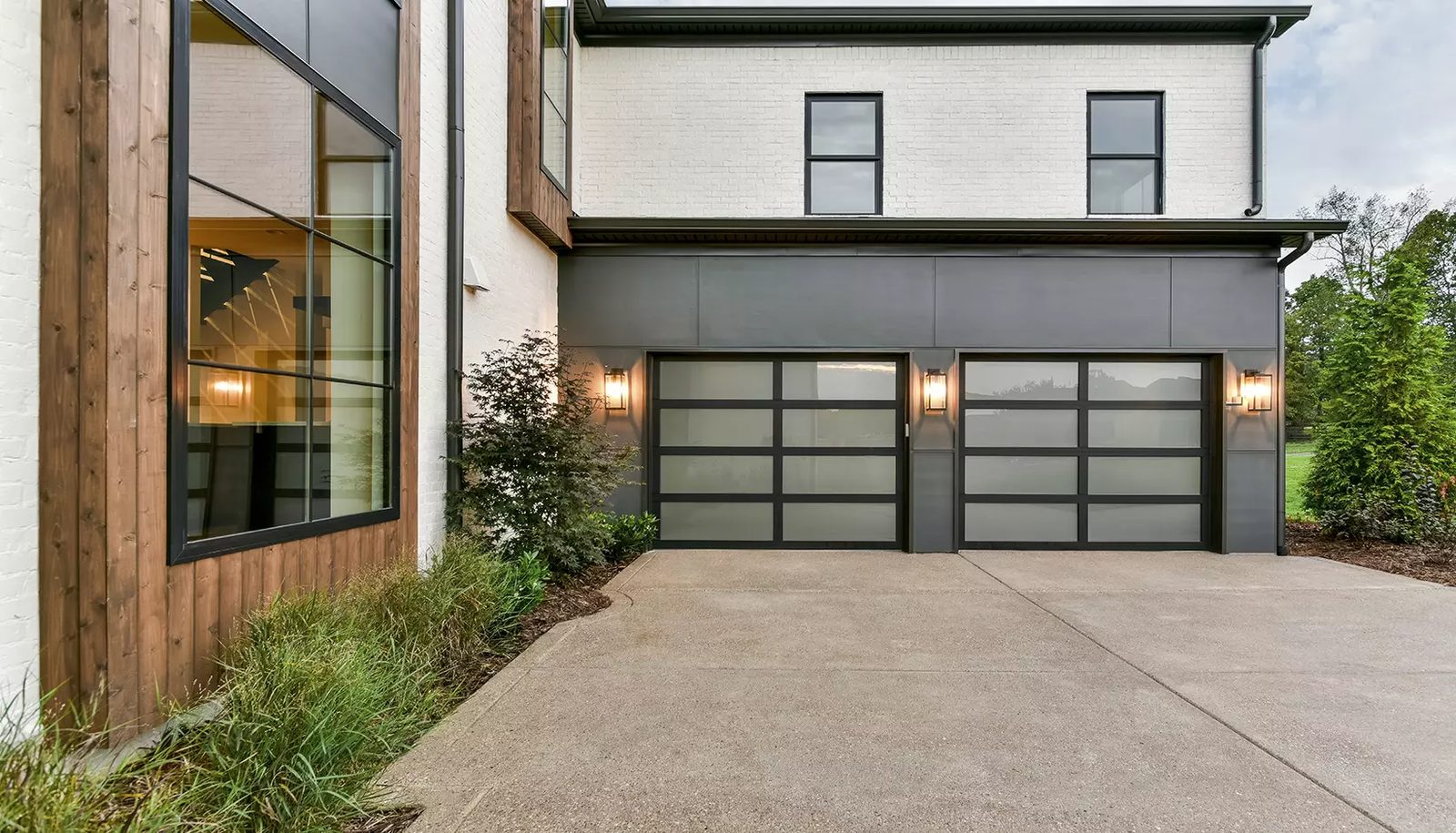
A healthy garage door comes down at a steady pace and settles onto the floor gently. If yours has started dropping fast, banging into the ground or closing harder than it used to, take it seriously. In many cases the door is telling you that the part holding up its weight is no longer doing its job.
A garage door is heavy. The springs, not the opener, carry almost all of that weight. They are wound or stretched so the door feels light, and the opener only has to guide it up and down. When everything is working, the door lowers in a smooth, controlled way.
When the springs stop carrying their share, gravity takes over. The opener may not be able to hold the door back, and the door comes down fast.
Not sure how your door is doing? Answer 7 quick questions and get a 0 to 100 score with an A to F grade in about 60 seconds. No email needed. Take the free checkup.
If the door is stuck open, keep clear and don't try to force it down by hand. Have it looked at before anyone uses it.
Spring and cable work is dangerous without the right tools and training. A wound spring stores a lot of energy, and it can release that energy all at once. The bottom brackets hold the cables under that same tension. Don't loosen, adjust or pry on any of these parts.
The same goes for the opener's force and travel settings. It can be tempting to adjust them so the door seems to behave, but setting them wrong can stop the door from reversing when something is in its way. That makes it less safe, not more.
A door that slams once in a while can still have a spring problem. Cold weather, a long stretch of heavy use or a spring near the end of its life can make the problem come and go. Don't wait for it to happen every time.
Pay attention to other clues too. Is the door harder to lift by hand than it used to be? Does it sit lower on one side? Does it make new noises as it closes? Our post on signs your garage door needs a tune-up covers the quieter warnings.
Springs and cables wear slowly, and a yearly check catches most problems before the door starts dropping. A good visit looks at the springs and cables, tests the balance and checks the opener's settings and safety features. You can see the full list in what a garage door tune-up actually checks.
Between visits, do the monthly look and listen from our garage door maintenance checklist, and test the safety reverse.
DoorGuard membership starts at $19 a month. Every plan includes a yearly tune-up and safety inspection, priority scheduling if something goes wrong, and member savings on repair labor, with the price shown before any work begins. No contract, cancel anytime. See membership plans.
Join today for your annual tune-up, priority service, and member repair savings.
The most common reason is that the springs are no longer carrying the door's weight, often because one is broken or worn. A cable problem, opener settings or a worn bottom seal can also cause it.
No. A door that drops fast may have a broken spring or cable. Stop using it, keep everyone clear and have a professional check it.
Not safely on your own. The fix is usually in the springs, cables or opener settings, and those should be handled by a professional.
Yes. Without working springs, the door's full weight is no longer supported. Don't pull the emergency release with the door open, and keep clear until it has been checked.