 DoorGuard
 How it works
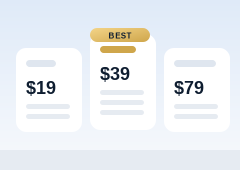 Plans and pricing
 Try it yourself
 Free Door Health Score
 Garage door guides
 Questions and answers
 Service areas
 Book a visit
 Property managers
 Agents and inspectors
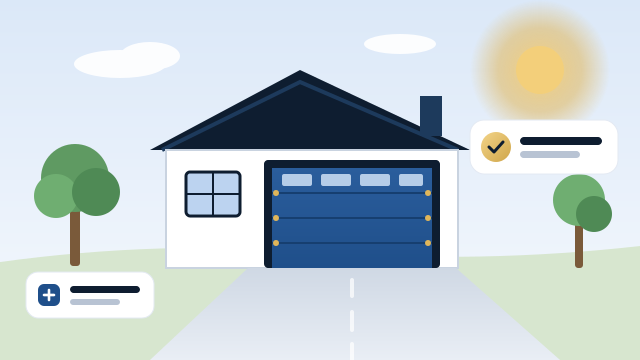
What 25% off the labor looks like
Example only, using $250 of labor. Your costs may differ. The membership does not pay for repairs; members pay 25% less on the labor. Plans from $19 a month.
See the plansA garage door that gets louder over time is telling you something. Noise usually means a part is wearing, and catching it early keeps a small fix from turning into a door that won't open.
Grinding or scraping
Often worn or damaged rollers, or a track that is bent or out of alignment. Rollers wear down with use and can start dragging instead of rolling.
Squeaking or squealing
Usually dry hinges, rollers or bearings. Moving parts need regular lubrication with the right product. The wrong product can attract dirt and make it worse.
Popping, snapping or banging
This can point to springs or cables under uneven tension, or a door that is out of balance. A single very loud bang can mean a spring broke. These are safety issues, so stop using the door and have it checked.
Rattling or vibrating
Usually loose hardware such as bolts, brackets or the opener rail. Doors shake themselves loose over thousands of cycles.
Humming, but the door won't move
The opener is running but not lifting the door. That can be a stripped gear in the opener or a broken spring the opener can't lift past.
When to call a pro
Anything involving springs, cables or door balance, and any noise that comes with jerky or uneven movement. A DoorGuard tune-up includes springs and cables, rollers and hinges, lubrication, balance, and the opener and safety sensors, and members get priority scheduling if something needs a repair.
DoorGuard includes a yearly tune-up, priority scheduling, and 25% off repair labor, from $19/month. See how membership works.