 DoorGuard
 How it works
 Plans and pricing
 Try it yourself
 Free Door Health Score
 Garage door guides
 Questions and answers
 Service areas
 Book a visit
 Property managers
 Agents and inspectors
What 25% off the labor looks like
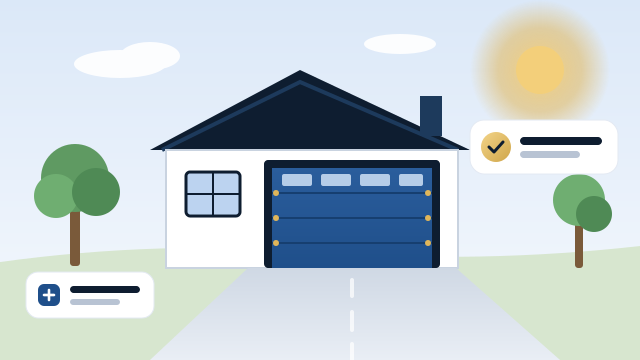
Example only, using $250 of labor. Your costs may differ. The membership does not pay for repairs; members pay 25% less on the labor. Plans from $19 a month.
See the plansRollers are small, cheap parts that do a lot of work. Every time your door opens or closes, each roller spins along its track. When rollers wear out, the door gets louder, rougher and harder on the opener. So how long should they last? The honest answer is that it depends, and knowing what it depends on helps you get the most out of yours.
Rollers are rated by use, not years
Roller makers usually rate their rollers by cycles. One cycle is one open and one close. A door that runs twice a day and a door that runs ten times a day will wear through the same rollers at very different speeds.
Ratings vary widely from basic rollers to premium ones. If you know what type you have, the packaging or the maker's website will usually tell you its rating. If you don't, the signs of wear below are a better guide than a calendar.
What decides how long they last
- Roller type. Basic rollers with no bearings tend to wear out first. Steel rollers with ball bearings last longer but run louder. Nylon rollers with sealed ball bearings usually run quieter and hold up well. Our guide to nylon vs steel rollers explains the differences.
- How often the door runs. If the garage is your main entrance, the rollers get more cycles in a year.
- Dirt and dryness. Grit in the tracks and dry bearings make rollers drag and wear faster.
- Door balance. If the springs aren't carrying the door's weight evenly, rollers carry extra load and wear unevenly.
- Track condition. A bent or misaligned track grinds a roller down at one spot.
- Climate. Heat, humidity and salt air are hard on bearings and metal stems. See our posts on care in hot climates and humid and coastal areas.
Signs your rollers are wearing out
- More noise than usual, like grinding, squealing or rumbling
- A wheel that wobbles on its stem or tilts in the track
- Cracks, chips or flat spots on nylon wheels
- Rust on the bearings or stem
- A roller that slides along the track instead of turning
- A door that shakes or moves unevenly
If one roller looks worn, look at the rest. They have all done the same number of cycles.
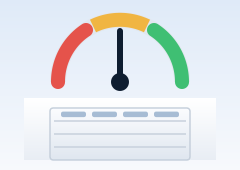
Not sure how your door is doing? Answer 7 quick questions and get a 0 to 100 score with an A to F grade in about 60 seconds. No email needed. Take the free checkup.
How to check them yourself
With the door closed, look at each roller where it sits in the track. Then stand clear of the door and watch it run a full cycle. You are looking for rollers that turn smoothly and sit straight.
Look, but don't take anything apart. The bottom rollers sit in the bottom brackets, and those brackets hold the lift cables under high spring tension.
Simple habits that help rollers last
- Lubricate the bearings a few times a year. Use a lubricant made for garage doors on the roller bearings and hinges. Don't spray the nylon wheel surface. See how to lubricate a garage door.
- Keep the tracks clean, not greased. Wipe them with a dry cloth. Grease collects grit.
- Tighten loose hinges. A loose hinge lets a roller sit crooked in the track.
- Keep the door balanced. Have the springs checked and adjusted once a year so the rollers aren't carrying extra load.
- Fix track damage early. A dented track wears down every roller that passes through it.
When rollers need replacing
Worn rollers are usually replaced as a set, since the others are close behind. This is a job for a professional. Swapping rollers means working near the bottom brackets and removing hinges while the door is under spring load, and both can cause serious injury if something lets go.
A good replacement also includes a look at the tracks, hinges and balance, so the new rollers start out in good shape. If you are thinking about upgrading to quieter rollers, ask what fits your door, since heavy or oversized doors may need a specific type.
How rollers fit into the bigger picture
Rollers are only one part of the system. Our post on how long springs and openers last explains the other parts that wear with use. A yearly tune-up inspects rollers and hinges, lubricates moving parts and checks balance, which keeps small wear from turning into a bigger repair.
DoorGuard membership starts at $19 a month. Every plan includes a yearly tune-up and safety inspection, priority scheduling if something goes wrong, and 25% off repair labor, with the price shown before any work begins. No contract, cancel anytime. See membership plans.