 DoorGuard
 How it works
 Plans and pricing
 Try it yourself
 Free Door Health Score
 Garage door guides
 Questions and answers
 Service areas
 Book a visit
 Property managers
 Agents and inspectors
What 25% off the labor looks like
Example only, using $250 of labor. Your costs may differ. The membership does not pay for repairs; members pay 25% less on the labor. Plans from $19 a month.
See the plansA garage door that worked fine all fall can suddenly refuse to open on the first cold morning. Cold affects almost every part of the system: rubber, metal, lubricant and batteries. Most causes are easy to check, and a few are worth leaving to a professional.
Start with the simple question: what is the door doing?
- The opener runs, but the door doesn't move or barely lifts. The door may be frozen to the ground, or a spring may be broken.
- The door starts up, then stops or reverses. The door is meeting resistance. Stiff parts, a stuck seal or a frosted sensor are common causes.
- Nothing happens at all. Check the remote battery, the wall button and power to the opener.
A bottom seal frozen to the ground
Snow, slush or rain can run under the bottom seal and freeze overnight, gluing the door to the floor. When the opener tries to lift, the seal holds. Keep pressing the button and you can tear the seal, strain the opener or throw the door out of alignment.
To free it:
- Stop pressing the button. Unplug the opener so no one runs it while you work.
- Work from outside, along the bottom edge. Gently chip or scrape the ice away from the seal with a plastic scraper. Go slow so you don't cut the rubber.
- Skip the boiling water. Hot water can refreeze into a thicker layer, and very hot water is hard on the seal and finish.
- Let the day help. If it is not urgent, a few hours of milder weather often frees it on its own.
Once it is free, plug the opener back in and run the door. To prevent it next time, clear snow and slush away from the bottom edge before you close the door at night. If the seal is cracked or torn, see our guide to the garage door bottom seal.
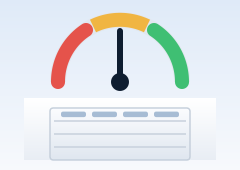
Not sure how your door is doing? Answer 7 quick questions and get a 0 to 100 score with an A to F grade in about 60 seconds. No email needed. Take the free checkup.
Thick, old lubricant
Some lubricants thicken in the cold and make hinges and rollers stiff. The opener has to work harder, and some openers stop or reverse when the door feels heavier than expected.
A light coat of lubricant made for garage doors on the hinges and roller bearings, applied before winter, helps. Wipe off the extra, and keep it out of the tracks. Our post on how to lubricate a garage door explains what to use.
Weak batteries
Cold drains batteries. If your remote or outdoor keypad stops working on cold mornings but works later in the day, try a fresh battery first. A keypad mounted outside is especially exposed.
Frost or fog on the sensors
Frost, condensation or a bit of snow on the safety sensor lenses can block the beam, which stops the door from closing. Wipe the lenses gently with a soft cloth and check that both indicator lights are steady.
Cold and springs
Springs carry the weight of the door, and cold makes steel less forgiving. A spring that was already worn may finally break on a cold morning. Signs include a loud bang from the garage, a visible gap in the spring above the door, or a door that suddenly feels very heavy.
If you see any of these, stop. Don't keep running the opener and don't try to lift the door by hand. Keep everyone clear and call a professional. Our list of spring warning signs explains what to look for.
Don't turn up the force
When a door struggles in the cold, it is tempting to adjust the opener so it pushes harder. Don't. The force setting is tied to the safety reverse, and setting it too high can keep the door from reversing when something is in its way. If the door needs more push to move, the real problem is something stiff, stuck or broken.
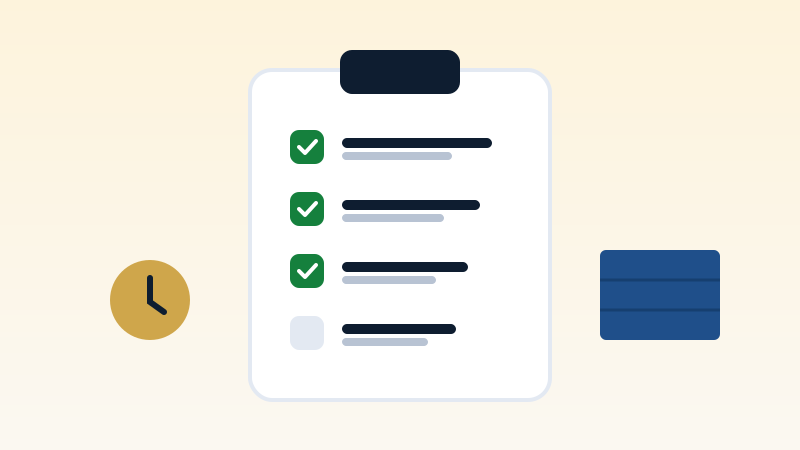
A short cold weather checklist
- Lubricate hinges and roller bearings before the first freeze
- Check the bottom seal for cracks and gaps
- Replace remote and keypad batteries if they are getting old
- Clear snow and ice from the bottom edge before closing
- Test the safety sensors and auto-reverse
- Have springs and cables inspected before winter if it has been a while
Our garage door maintenance checklist lays out the full routine, and a yearly tune-up includes the parts that are unsafe to check yourself.
DoorGuard membership starts at $19 a month. Every plan includes a yearly tune-up and safety inspection, priority scheduling if something goes wrong, and 25% off repair labor, with the price shown before any work begins. No contract, cancel anytime. See membership plans.