
Short answer: Insulation slows heat moving through the door, which helps keep an attached garage and the rooms next to it more comfortable. It also tends to make the door quieter and sturdier. But air leaks around the door often matter just as much, so check the seals first. Add-on insulation kits add weight, and springs are set for the door's weight, so have a professional check the balance after any change.
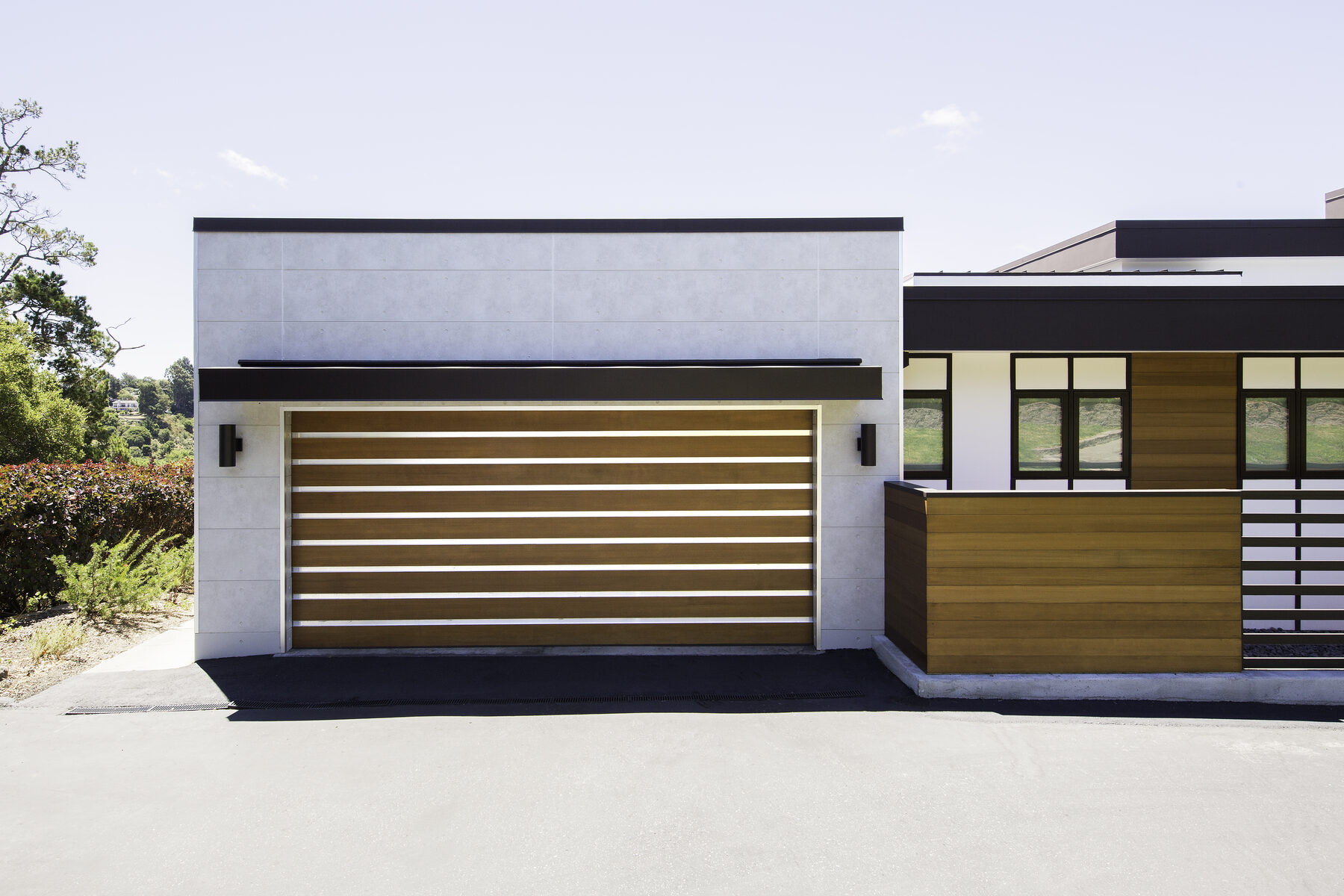
A garage door is one big panel facing the outdoors. If your garage is attached to the house, sits under a bedroom, or doubles as a workshop or gym, how that door handles heat and cold affects how comfortable those spaces feel.
Insulation can help. It's worth knowing what it does well and where it has limits, so you put your effort in the right place.
Before thinking about insulation, check the edges. Air moving under and around the door can undo much of what insulation does. A cracked or flattened bottom seal and worn weatherstripping on the sides and top are the usual sources, and our guides to each show how to check them. If the goal is a comfortable house, the seal on the door between the garage and the house matters too. Fixing seals is often the simplest first step.
Not sure how your door is doing? Answer 7 quick questions and get a 0 to 100 score with an A to F grade in about 60 seconds. No email needed. Take the free checkup.
Steel garage doors come in a few basic builds.
You'll see insulation described with an R-value. It's a measure of how well the material resists heat flow, and higher means more resistance. Makers don't all measure it the same way, so compare doors from the same maker when you can, and ask a professional what makes sense for your climate and how you use the garage.
Insulation kits that attach to the inside of an existing door are easy to find. They can help, but there's a catch. Every piece you add makes the door heavier, and the springs are set for the weight of the door as it was.
A door heavier than its springs are set for is out of balance. It feels heavier to lift by hand, may drift down when let go, and makes the opener strain on every trip. Over time that wears the opener and other parts faster. Our guide to signs your door is out of balance explains how to spot it.
Insulation is a comfort upgrade, most useful for attached garages and spaces you spend time in. Seal the gaps first, choose insulation that fits the way you use the garage, and treat any change to the door's weight as a reason to have the balance checked. A yearly tune-up includes a balance test and an opener safety test, so it's a good time to bring up any changes you've made.
DoorGuard membership starts at $19 a month. Every plan includes a yearly tune-up and safety inspection, priority scheduling if something goes wrong, and member savings on repair labor, with the price shown before any work begins. No contract, cancel anytime. See membership plans.
Join today for your annual tune-up, priority service, and member repair savings.
It's most useful when the garage is attached, sits under or beside living space, or is used as a workshop or gym. For a detached garage you rarely use, it matters less.
They can. Kits add weight, and springs are set for the door's weight. Ask a professional before adding a kit and have the balance checked afterward.
It is a measure of how well insulation resists heat flow. A higher R-value means more resistance. Makers measure it differently, so compare doors from the same maker when you can.
Start with the seals. Gaps under and around the door let air move freely, and insulation in the panels won't stop that.