
Short answer: Chain drives are sturdy and simple but the loudest. Belt drives work the same way with a reinforced rubber belt, so they run much quieter. Screw drives use a threaded rod with fewer moving parts but need grease and can be more sensitive to big temperature swings. Wall mounted openers sit beside the door and free up the ceiling. The right pick depends on noise, your garage and your door.
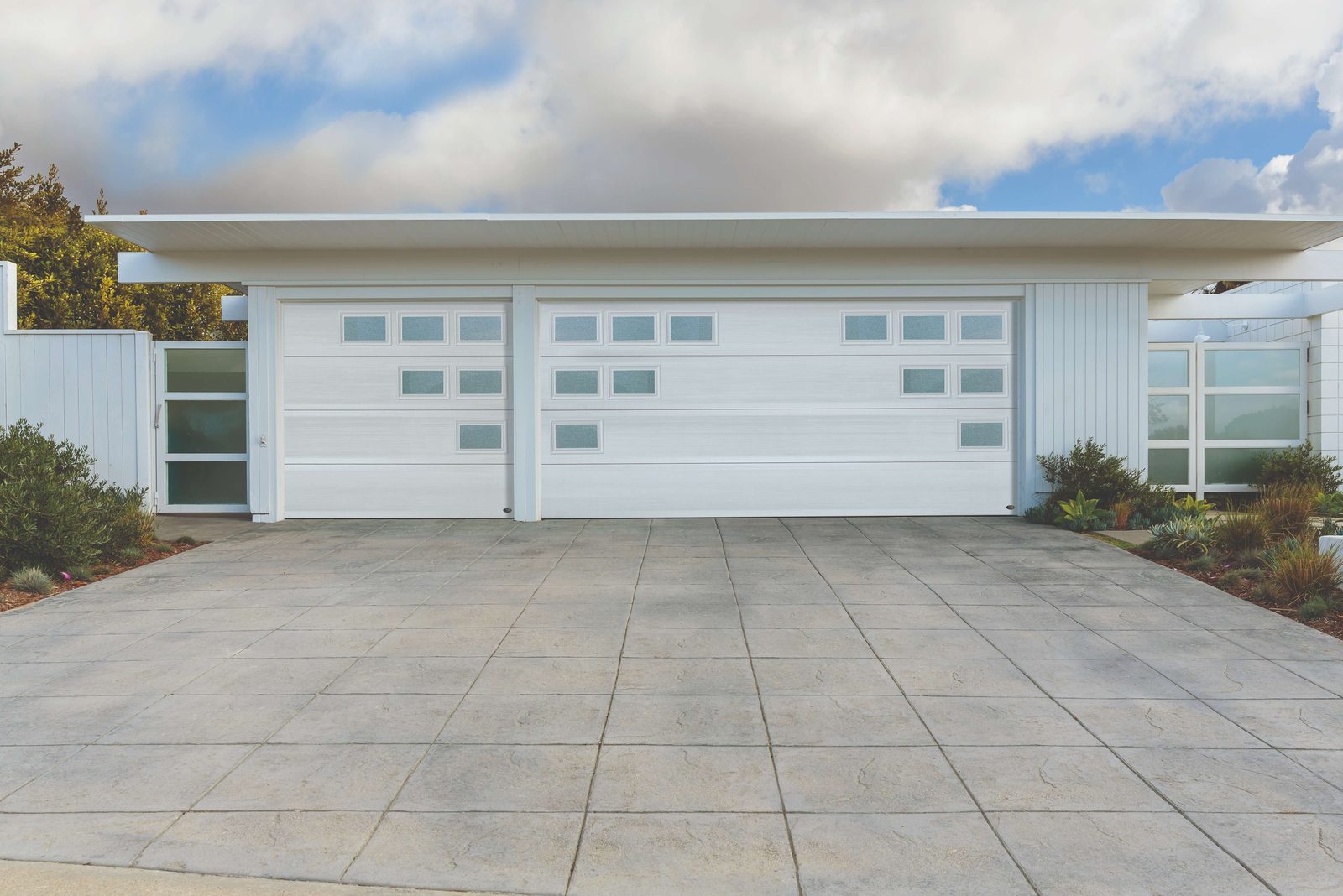
Every opener does the same basic job. A motor moves a trolley along a rail, the trolley is attached to the top of the door, and the door follows it up and down. What changes from one type to the next is how the motor moves that trolley, and that affects noise, upkeep and how the opener feels day to day.
Here is a plain comparison. Keep in mind that the springs carry the weight of the door no matter which opener you have. A balanced door is what keeps any opener healthy.
A metal chain, a lot like a heavy bicycle chain, runs along the rail and pulls the trolley.
A belt drive works just like a chain drive, but a reinforced rubber belt replaces the chain.
A long threaded steel rod turns, and the trolley rides along the threads.
Sometimes called jackshaft or side mount openers, these mount on the wall beside the door and turn the torsion spring shaft directly. There's no rail across the ceiling.
Not sure how your door is doing? Answer 7 quick questions and get a 0 to 100 score with an A to F grade in about 60 seconds. No email needed. Take the free checkup.
The drive gets most of the attention, but a few other features decide whether you'll be happy with an opener.
Think about where the noise goes and how you use the garage.
Whatever you choose, have it installed and set up by a professional. An opener connects to a door under spring tension, and its force and travel settings have to match that door. Those settings aren't something to set by guesswork.
If your current opener is getting loud or slow, see whether to repair or replace it. And whichever type you have, these opener care habits help it last. If noise is the main complaint, our tips for a quieter garage door cover the door side too.
DoorGuard membership starts at $19 a month. Every plan includes a yearly tune-up and safety inspection, priority scheduling if something goes wrong, and member savings on repair labor, with the price shown before any work begins. No contract, cancel anytime. See membership plans.
Join today for your annual tune-up, priority service, and member repair savings.
Belt drive and wall mounted openers are generally the quietest. Chain drives are the loudest because of the metal chain moving along the rail.
No. Chain drives are sturdy and simple, and they handle heavier doors well. Their main downside is noise, which matters most when there are living spaces next to or above the garage.
Belts generally don't need lubricant. Check your manual, and keep an eye out for fraying or cracking. Chain and screw drives are the ones that usually call for lubricant or grease.
Installing an opener means connecting it to a door under spring tension and setting its force and travel limits. Those steps are best left to a professional so the door and its safety features work the way they should.