
Short answer: Clean garage door panels and windows with mild soap, water and a soft cloth, and rinse with a garden hose. Skip pressure washers, abrasive pads and harsh cleaners. Small dents are usually cosmetic. Cracks near hinges or brackets, a broken window, or a panel that bows or separates should be looked at by a professional, and never remove the bottom panel yourself.
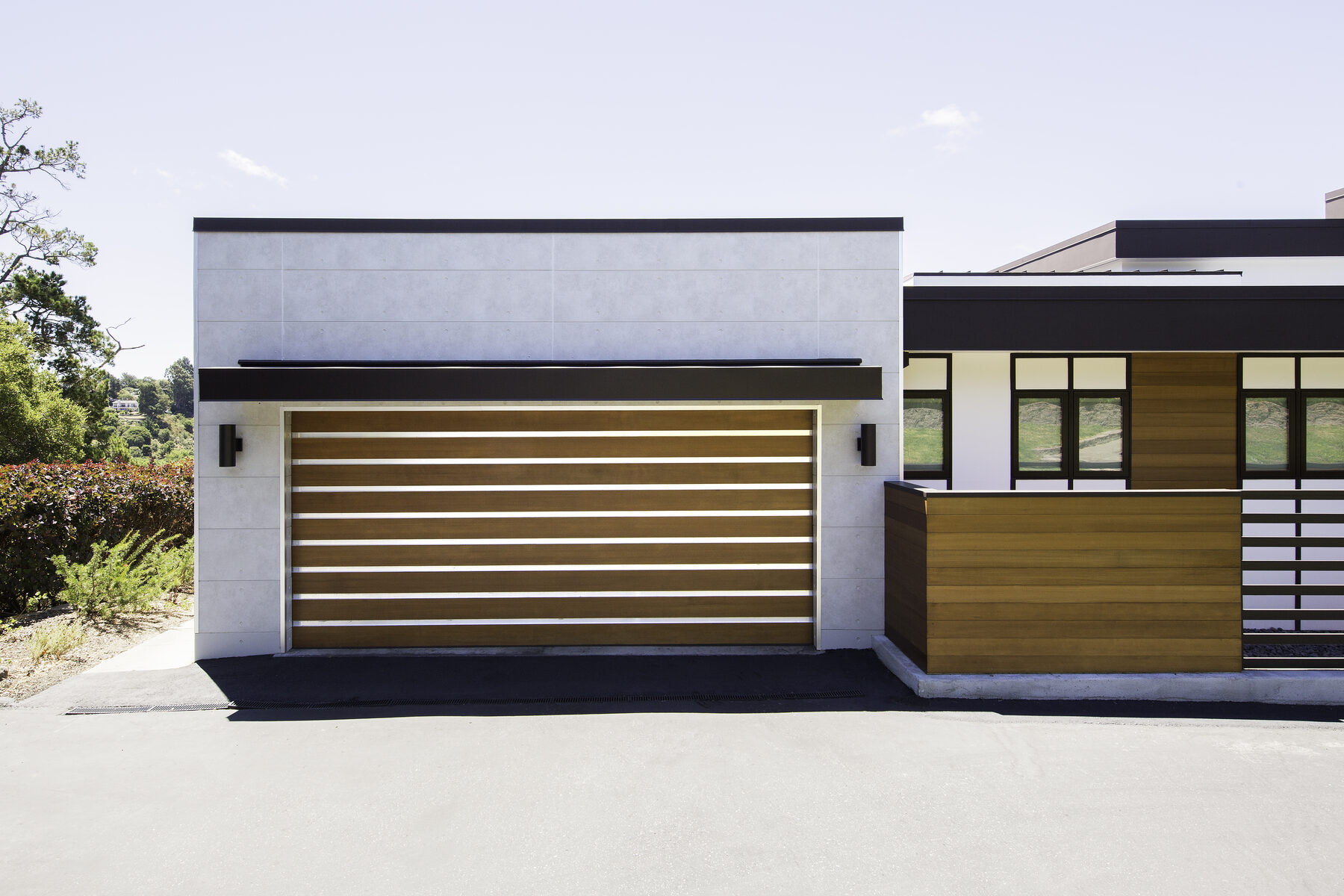
The face of your garage door is a big part of how your home looks from the street. It also takes a beating from sun, rain, dust, car bumpers and basketballs. A little regular care keeps the panels and windows looking good and helps you catch damage early.
A couple of times a year is plenty for most doors. More often if you live near the coast or a dusty road.
Skip pressure washers, which can strip the finish and force water into places it shouldn't go. Skip abrasive pads and strong solvents too. If your door has a special finish or a wood look, check the door maker's care guide first.
For homes near salt air, rinsing more often helps a lot. Our guide to garage door care in humid and coastal areas goes into more detail.
Garage door windows are often made of plastic rather than glass, and plastic scratches easily.
If you aren't sure what your windows are made of, treat them like plastic. Gentle is always safe.
Not sure how your door is doing? Answer 7 quick questions and get a 0 to 100 score with an A to F grade in about 60 seconds. No email needed. Take the free checkup.
Small dents from a ball or a bike handle are usually cosmetic. They don't affect how the door runs.
Larger dents are different, especially if the panel looks bent, the dent sits near a hinge, or the door now rubs or catches as it moves. A bent panel can put stress on hinges and rollers and throw the door out of line. If the door moves differently after a hit, stop using it and have it checked.
A car bumping the door is a common cause of bigger damage. If that happens, look at the tracks and rollers too, not just the panel. See garage door off track: what to do first.
Look over the panels at each change of season. Pay attention to:
All of these are worth a professional look. Don't drill into panels, add bracing yourself or try to remove a panel. The bottom panel holds the bottom brackets, which connect to the lift cables under high spring tension. Removing or loosening it can cause serious injury.
A cracked window lets in water and drafts, and broken glass is a safety hazard. If a window breaks, keep people clear of the pieces and clean up carefully with gloves. Many window inserts are held in by a frame and can be replaced, but the method depends on the door. A professional or the door maker can tell you the right replacement.
It is easy to think of the door's face as just looks. But anything that adds weight changes how the door works. Adding windows, decorative hardware, insulation kits or heavy panels can throw off the balance, since the springs were set for the door's original weight.
If you are thinking about changes like that, have the springs and balance checked afterward. Our post on garage door safety explains why balance matters.
If your door's finish is fading or peeling, check the door maker's guidance before painting. Some finishes need a specific primer. Never paint the flexible weatherstripping, which needs to stay soft to seal.
Panel and window care fits right in with the other seasonal jobs. Our garage door maintenance checklist lays out what to do monthly, seasonally and once a year.
DoorGuard membership starts at $19 a month. Every plan includes a yearly tune-up and safety inspection, priority scheduling if something goes wrong, and member savings on repair labor, with the price shown before any work begins. No contract, cancel anytime. See membership plans.
Join today for your annual tune-up, priority service, and member repair savings.
Rinse with a garden hose, wash with mild soap and a soft cloth from the top down, and rinse again. Skip pressure washers, abrasive pads and harsh cleaners.
Mild soapy water and a soft, clean cloth. Many garage door windows are plastic and scratch easily, so avoid paper towels, scrapers and harsh cleaners.
Small dents are usually cosmetic. A large dent, a bent panel or a door that now rubs or catches should be checked by a professional.
No. Panel work is best left to a professional. The bottom panel holds the bottom brackets, which connect to cables under high spring tension.